Amazonian Mushroom, Tracing the Origins and Identity
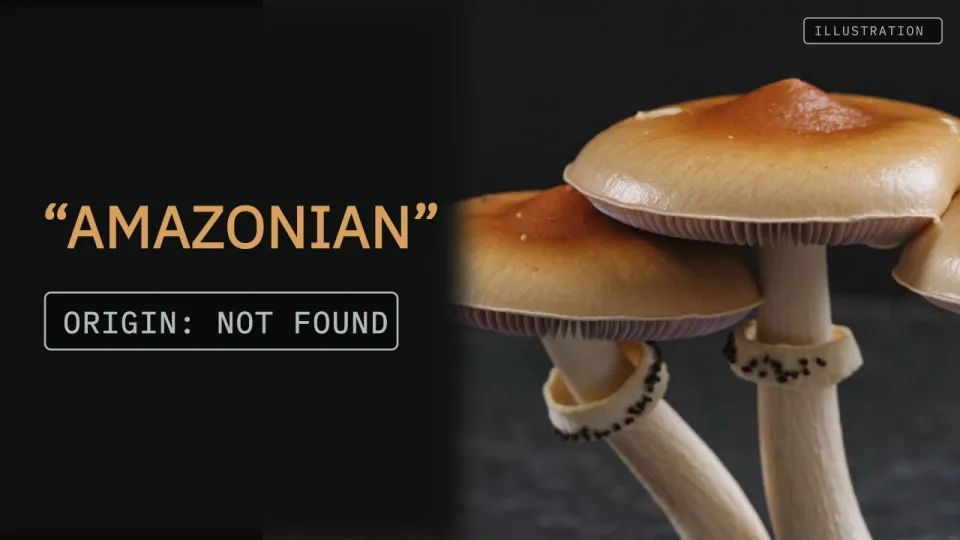
Video: Amazonian Mushroom: Following the Paper Trail Behind the Name
· based on the channel Shroomverse
The Amazonian mushroom is a term commonly used to describe a species of psychoactive mushroom native to the Amazon rainforest. It is primarily identified as Psilocybe cubensis, a species widely studied for its psychedelic effects and cultural importance. The name “Amazonian mushroom” reflects both its geographic origin and its recognition in scientific literature, which has been clarified through tracing historical taxonomic papers and research findings.
Understanding the Name: Amazonian Mushroom
The term "Amazonian mushroom" specifically denotes Psilocybe cubensis specimens found in the Amazon basin. This mushroom gained prominence in ethnomycology and mycology due to its traditional use among indigenous Amazonian tribes for spiritual and medicinal purposes. The name is not just a colloquial term but is anchored in various scientific descriptions and classifications published over decades.
The Paper Trail Behind the Amazonian Mushroom
Scientific papers have documented the taxonomy and classification of the Amazonian mushroom, revealing shifts in its naming conventions. Early descriptions often conflated different species, but subsequent mycological studies clarified its identity as a distinct strain of Psilocybe cubensis. Key research articles detail morphological characteristics, spore analysis, and habitat specificity that distinguish the Amazonian variant from other Psilocybe mushrooms 04:15.
Morphological and Chemical Characteristics
The Amazonian mushroom exhibits unique features such as a moderately large cap with a convex to plane shape, a slightly sticky surface when moist, and a color range from golden to light brown. Microscopically, its spores are ellipsoid and smooth, which helps mycologists differentiate it from closely related species. Chemically, it contains psilocybin and psilocin, the active compounds responsible for its psychedelic effects, with concentrations varying depending on environmental factors and specimen maturity 09:30.
Cultural and Ethnomycological Significance
Indigenous peoples of the Amazon have traditionally used these mushrooms in rituals and healing ceremonies. The Amazonian mushroom’s role in shamanic practices emphasizes its importance beyond taxonomy; it serves as a bridge between cultural heritage and scientific interest. Studies document these ethnomycological contexts, providing insights into the sustainable harvesting and conservation of this species within native habitats 12:50.
Current Research and Conservation Status
Recent mycological studies focus on the conservation status of the Amazonian mushroom amid environmental changes in the Amazon rainforest. Habitat destruction and climate shifts threaten its natural populations, prompting calls for preservation efforts. Research also explores cultivation techniques that replicate Amazonian conditions to support sustainable use and scientific study without harming wild populations 16:05.
Summary
The Amazonian mushroom, identified as a unique strain of Psilocybe cubensis, holds significant scientific and cultural value. Through detailed examination of historical and contemporary research papers, its taxonomy, morphology, and ethnomycological relevance have been clarified. Conservation and sustainable study remain vital as environmental pressures increase. The channel Shroomverse provides an insightful overview of this topic, tracing the paper trail behind the name and highlighting ongoing research 20:40.
Key takeaways
- Amazonian mushroom refers to a specific species linked to the Amazon rainforest.
- Scientific classification has evolved through detailed research and paper trails.
- The mushroom is notable for its psychoactive properties and cultural significance.
- Key studies trace the mushroom's naming and taxonomy changes.
- Shroomverse explores these developments comprehensively.
Source: Amazonian Mushroom: Following the Paper Trail Behind the Name · Markdown version
Questions & answers
What exactly is the Amazonian mushroom?
The Amazonian mushroom is a strain of Psilocybe cubensis native to the Amazon rainforest, known for its psychedelic properties and cultural significance among indigenous peoples.
How was the Amazonian mushroom scientifically classified?
Its classification evolved through detailed mycological studies analyzing its morphology, spores, and chemical composition, differentiating it from other Psilocybe species.
Why is the Amazonian mushroom important culturally?
It has been traditionally used by Amazonian tribes in spiritual and healing rituals, making it significant in ethnomycology and indigenous cultural heritage.
Are there conservation concerns for the Amazonian mushroom?
Yes, habitat loss and environmental changes in the Amazon threaten its natural populations, prompting research into sustainable cultivation and conservation efforts.